
New York is one of the most dynamic cities in the United States, not only in terms of culture and economy but also in weather conditions. From freezing winter snowstorms to humid summer heatwaves, New York experiences a wide range of seasonal changes throughout the year. Understanding New York weather today and how it changes across seasons can help residents, travelers, and businesses plan effectively.
This detailed guide covers today’s typical weather patterns in New York, seasonal forecasts, temperature trends, rainfall expectations, and important safety tips.
Overview of New York’s Climate
New York City has a humid subtropical climate, bordering on a humid continental climate. This means the city experiences:
- Cold winters
- Warm to hot summers
- Moderate rainfall throughout the year
- Occasional extreme weather events
Because of its coastal location near the Atlantic Ocean, New York’s weather can change quickly. Coastal storms, cold fronts, and heatwaves often influence daily forecasts.
New York Weather Today: What to Expect
While daily conditions vary, New York weather today generally includes:
- Temperature fluctuations between morning and afternoon
- Moderate humidity levels
- Variable wind speeds
- Possible rain showers depending on the season
Morning temperatures are usually cooler, especially during fall and winter. Afternoons tend to warm up, particularly in spring and summer. Wind speeds can increase due to the city’s coastal geography and tall buildings, which create wind tunnel effects in certain areas.
Checking reliable sources such as the National Weather Service (NWS) or trusted weather platforms helps residents stay updated with accurate forecasts.
Temperature Trends in New York
Winter (December to February)
Winter in New York can be harsh. Average temperatures range from 28°F to 40°F. Snowfall is common, and winter storms can disrupt transportation and daily activities.
Cold Arctic air masses sometimes move into the region, causing temperatures to drop below freezing for extended periods. Wind chill can make it feel even colder.
Spring (March to May)
Spring weather is unpredictable. Temperatures typically range from 45°F to 70°F. Rain showers are frequent, and sudden temperature swings can occur.
Early spring may still feel like winter, but by late May, warmer and more comfortable conditions settle in.
Summer (June to August)
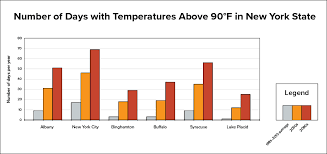
Summers in New York are warm and humid. Average temperatures range from 70°F to 90°F. Heatwaves are common, with temperatures occasionally exceeding 95°F.
Humidity levels can make it feel hotter than the actual temperature. Thunderstorms are also frequent during summer afternoons.
Fall (September to November)
Fall is one of the most pleasant seasons in New York. Temperatures range between 50°F and 75°F. Humidity decreases, and rainfall is moderate.
October is particularly known for comfortable weather and colorful foliage.
Rainfall and Precipitation
New York receives rainfall throughout the year, averaging around 45 to 50 inches annually. Precipitation is fairly evenly distributed, though summer thunderstorms and winter snowstorms can increase totals during certain months.
Heavy rainfall events sometimes lead to localized flooding, particularly in low-lying areas. Coastal storms, including nor’easters, can bring strong winds and heavy precipitation.
Snowfall in New York
Snow is common during winter months. On average, New York City receives around 25 to 30 inches of snow per year, though totals vary annually.
Major snowstorms can disrupt public transportation, close schools, and impact businesses. Snow removal operations are generally efficient, but heavy blizzards can cause delays.
Residents are advised to:
- Keep emergency supplies at home
- Monitor weather alerts
- Avoid unnecessary travel during severe snowstorms
Extreme Weather in New York
New York occasionally experiences extreme weather events, including:
Nor’easters
These powerful storms develop along the East Coast and can bring heavy snow, rain, and strong winds. Nor’easters are most common in winter and early spring.
Heatwaves
During summer, extended periods of high temperatures combined with humidity can create dangerous heat conditions. Heat advisories are often issued to protect vulnerable populations.
Hurricanes and Tropical Storms
Although direct hurricane hits are rare, remnants of tropical systems can bring heavy rain and strong winds to New York.
Thunderstorms
Severe thunderstorms may include lightning, heavy rainfall, strong winds, and occasionally hail.
How Climate Change Is Affecting New York Weather
Climate change is influencing long-term weather patterns in New York. Experts have observed:
- Warmer average temperatures
- Increased frequency of heavy rainfall events
- Rising sea levels along coastal areas
- More intense heatwaves
These changes impact infrastructure, transportation, and public health. Long-term planning and environmental policies are being implemented to address these challenges.
Air Quality in New York
Air quality levels vary depending on traffic, industrial activity, and weather conditions. During hot summer days, air pollution levels can increase, leading to air quality advisories.
Sensitive groups, including children, elderly individuals, and people with respiratory conditions, should monitor the Air Quality Index (AQI) regularly.
Best Time to Visit New York
For tourists planning a visit, the best weather conditions are typically found in:
- Late spring (May)
- Early fall (September and October)
During these months, temperatures are moderate, humidity is manageable, and outdoor activities are enjoyable.
Summer is popular but can be hot and crowded. Winter offers holiday charm but requires preparation for cold weather.
How to Prepare for Today’s Weather in New York
To stay prepared:
- Check daily forecasts from reliable weather services.
- Dress in layers during transitional seasons.
- Carry an umbrella during rainy months.
- Stay hydrated during heatwaves.
- Follow official alerts during severe weather events.
Technology has made it easier to access real-time updates through mobile weather apps and government websites.
Frequently Asked Questions (FAQ)
What is the average temperature in New York today?
The temperature depends on the season. Winters are cold, summers are warm to hot, and spring and fall offer moderate conditions.
Does New York get a lot of snow?
Yes, snowfall is common during winter months, though the amount varies each year.
When is hurricane season in New York?
Hurricane season runs from June through November, with peak activity between August and October.
Is New York weather unpredictable?
Yes, due to its coastal location, weather conditions can change quickly.
How can I check accurate New York weather forecasts?
Reliable sources include the National Weather Service, local news channels, and trusted weather applications.
Final Thoughts
New York weather today reflects the city’s diverse and dynamic climate. From snowy winters to humid summers, each season brings unique conditions that affect daily life. Understanding temperature trends, rainfall patterns, and extreme weather risks helps residents and visitors stay prepared.
Whether you are commuting, planning outdoor activities, or traveling to the city, staying informed about New York’s weather ensures safety and convenience. Monitoring forecasts regularly and preparing for seasonal changes is the key to navigating the ever-changing weather of New York.