Blog

  • Understanding Ice Storm Warnings in the United States: Causes, Risks, and Safety Tips”

    Ice storms are dangerous winter events that occur when freezing rain coats surfaces with a layer of ice, creating hazardous conditions for travel, power infrastructure, and public safety. Ice storm warnings alert residents and travelers to take immediate precautions.

    This guide explains what ice storm warnings are, how ice storms form, regions at risk, and safety measures.


    What Is an Ice Storm Warning?

    An Ice Storm Warning is issued by the National Weather Service (NWS) when:

    • Significant ice accumulation is expected (typically ≥ ¼ inch or 6 mm)
    • Conditions pose serious hazards to travel, power lines, and trees
    • Residents should avoid travel and take precautions

    Ice storm advisories are less severe and warn of minor icing, which may still create hazardous conditions.


    How Ice Storms Form

    Ice storms occur when the atmosphere has a layer of warm air above a sub-freezing layer at the surface:

    1. Warm Air Layer Aloft
      • Snow melts into rain as it passes through warmer air
    2. Freezing Layer Near the Surface
      • Rain refreezes on contact with cold surfaces, forming ice
    3. Prolonged Precipitation
      • Continuous freezing rain can accumulate significant ice

    Regions Most Affected

    Ice storms are most common in:

    • Northeast: New York, Pennsylvania, New England
    • Midwest: Ohio, Michigan, Indiana
    • Southeast: Northern parts of Georgia, Tennessee, North Carolina
    • Central Plains: Missouri, Kansas, Oklahoma

    Even southern states can experience ice storms during strong winter cold fronts.


    Seasonal Patterns

    • Late Fall to Early Spring: Ice storms are most frequent
    • Typically occur when warm, moist air overrides cold air at the surface
    • December through February is the peak period in northern states

    Impacts of Ice Storms

    1. Travel Hazards
      • Roads and sidewalks become extremely slippery
      • Increased risk of vehicle accidents and falls
    2. Power Outages
      • Ice accumulation on power lines and trees can cause widespread outages
    3. Property Damage
      • Broken tree branches and roof damage from ice accumulation
    4. Health Risks
      • Hypothermia and injury from slips and falls
      • Exposure to extreme cold during power outages

    How Ice Storm Warnings Are Issued

    • NWS monitors freezing rain forecasts and expected accumulation
    • Warnings are communicated via:
      • Mobile weather alerts
      • Local TV and radio
      • NOAA Weather Radio

    Safety Tips During an Ice Storm Warning

    1. Avoid Travel – Roads can become impassable and extremely dangerous
    2. Stay Indoors – Protect yourself from falling branches and icy surfaces
    3. Prepare Emergency Supplies – Food, water, blankets, and flashlights
    4. Protect Property – Remove items that could break or become dangerous under ice
    5. Check on Vulnerable Individuals – Elderly, children, and those with medical conditions
    6. Use Caution with Heating Devices – Avoid carbon monoxide hazards during power outages

    Frequently Asked Questions

    • What is the difference between an ice storm warning and advisory?
      • Warning: Significant ice accumulation expected; Advisory: Minor icing expected
    • Can ice storms cause power outages?
      • Yes, ice can accumulate on power lines and trees, causing widespread outages
    • Are southern states at risk?
      • Occasionally, particularly northern parts of southern states during winter cold fronts
    • How long can ice accumulation last?
      • Ice can remain on surfaces for hours or days until temperatures rise above freezing

    Final Thoughts

    Ice storm warnings are critical for safety during winter weather events. Accumulated ice creates hazardous travel conditions, power outages, and property damage.

    By staying informed, avoiding travel, preparing emergency supplies, and protecting vulnerable populations, residents can reduce risks and safely navigate ice storm conditions in the United States.

  • Understanding Blizzard Warnings in the United States: Causes, Risks, and Safety Tips”

    Blizzards are among the most severe winter weather events in the United States, combining heavy snow, strong winds, and low visibility to create dangerous conditions. Understanding blizzard warnings is essential for staying safe during these intense storms.

    This guide explains what a blizzard warning is, how blizzards form, regions affected, and safety measures.


    What Is a Blizzard Warning?

    A Blizzard Warning is issued by the National Weather Service (NWS) when all of the following conditions are expected for at least 3 hours:

    1. Sustained winds or frequent gusts ≥ 35 mph
    2. Considerable falling or blowing snow
    3. Visibility reduced to ¼ mile or less

    Blizzards can make travel extremely dangerous, cause power outages, and threaten life if precautions are not taken.


    How Blizzards Form

    Blizzards typically form when several weather conditions converge:

    1. Cold Air – Freezing temperatures are essential for snow formation
    2. Moisture – Provides precipitation for snowfall
    3. Strong Winds – Often from low-pressure systems, blowing snow and reducing visibility
    4. Temperature Gradient – A strong difference between cold and warmer air helps intensify storms

    Blizzards are often associated with nor’easters, Alberta clippers, and strong winter low-pressure systems.


    Regions Most Affected

    Blizzards are most common in:

    • Northern Plains: North Dakota, South Dakota, Nebraska
    • Midwest: Minnesota, Wisconsin, Michigan
    • Northeast: New York, New England states
    • Rocky Mountains: Montana, Wyoming, Colorado

    Southern states rarely experience blizzards, but winter storms with snow and strong winds can occasionally occur.


    Seasonal Patterns

    • December – February: Peak season for blizzards in northern states
    • Early and late winter storms can also bring blizzard conditions
    • Snowstorms during arctic outbreaks are particularly severe

    Impacts of Blizzards

    1. Travel Hazards
      • Roads can become impassable due to heavy snow and low visibility
      • High risk of vehicle accidents and stranded motorists
    2. Power Outages
      • Snow and ice accumulation on power lines can lead to extended outages
    3. Property Damage
      • Roof collapses under heavy snow
      • Falling trees and branches
    4. Health Risks
      • Hypothermia, frostbite, and exhaustion from shoveling snow

    How Blizzard Warnings Are Issued

    • Meteorologists monitor snowfall rates, wind speeds, and visibility forecasts
    • NWS local offices issue warnings when criteria are met
    • Warnings are communicated via:
      • Mobile alerts
      • TV and radio
      • NOAA Weather Radio

    Safety Tips During a Blizzard Warning

    1. Avoid Travel – Stay off roads unless absolutely necessary
    2. Stock Emergency Supplies – Food, water, blankets, flashlight, and batteries
    3. Stay Warm Indoors – Keep heating systems running safely, avoid carbon monoxide hazards
    4. Prepare Vehicles – If travel is necessary, carry emergency kits with blankets, food, and a shovel
    5. Check on Vulnerable Individuals – Elderly, children, and those with medical conditions

    Frequently Asked Questions

    • What is the difference between a winter storm warning and a blizzard warning?
      • Blizzard warning = strong winds + heavy snow + low visibility; Winter storm warning = heavy snow, ice, or freezing rain without necessarily meeting blizzard criteria
    • How long can a blizzard last?
      • Typically several hours to a full day; major storms can last over 24 hours
    • Can blizzards cause tornadoes?
      • Rarely; blizzards are cold-season storms and do not typically produce tornadoes
    • Are power outages common?
      • Yes, especially when snow and ice accumulate on power lines and trees

    Final Thoughts

    Blizzard warnings are critical for safety during severe winter storms. Heavy snow, strong winds, and low visibility create life-threatening conditions, especially on roads.

    By staying informed, avoiding travel, preparing emergency kits, and protecting vulnerable individuals, residents can safely navigate blizzard conditions in the United States.

  • Understanding Wind Chill Warnings in the United States: Causes, Risks, and Safety Tips”

    Understanding Wind Chill Warnings in the United States: Causes, Risks, and Safety Tips”

    Winter weather in the United States can be dangerous not only because of snow and ice but also due to extreme cold and wind chill. Wind chill measures how cold it feels when air temperature combines with wind speed, which can increase the risk of frostbite and hypothermia. Understanding wind chill warnings is essential for safety during harsh winter conditions.

    This guide explains what wind chill warnings are, how wind chill works, regions affected, and protective measures.


    What Is a Wind Chill Warning?

    A Wind Chill Warning is issued by the National Weather Service (NWS) when:

    • Wind combined with cold temperatures creates life-threatening conditions
    • Frostbite or hypothermia is likely if exposed for extended periods
    • Residents should limit outdoor activities and take precautions

    A wind chill advisory is less severe and indicates that cold and wind may cause discomfort or mild risk, but not immediate danger.


    How Wind Chill Is Calculated

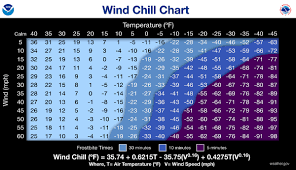
    Wind chill is the perceived temperature felt on exposed skin, taking into account:

    1. Air Temperature – Colder air increases risk
    2. Wind Speed – Faster winds remove heat from the body more quickly

    For example:

    • Temperature: 10°F
    • Wind Speed: 20 mph
    • Wind Chill: Feels like -10°F

    This makes exposed skin lose heat faster, increasing frostbite risk.


    Regions Most Affected

    Wind chill warnings are common in:

    • Northern Plains: North Dakota, South Dakota, Minnesota
    • Upper Midwest: Wisconsin, Michigan, Minnesota
    • Northeast: New York, New England states
    • Mountain West: Montana, Wyoming, Colorado

    Southern states occasionally experience wind chill warnings during cold snaps, though less frequent.


    Seasonal Patterns

    • December – February: Peak period for wind chill warnings in northern states
    • Late Fall and Early Spring: Cold fronts can bring short-duration wind chill warnings
    • Highest risk occurs during arctic outbreaks when temperatures drop below 0°F

    Impacts of Extreme Wind Chill

    1. Frostbite
      • Skin freezes within minutes in extreme conditions
      • Fingers, toes, nose, and ears are most vulnerable
    2. Hypothermia
      • Body temperature drops dangerously low
      • Symptoms: Shivering, confusion, slurred speech, exhaustion
    3. Health Complications
      • Aggravates heart and respiratory conditions
      • Increases risk of accidents due to icy conditions

    How Wind Chill Warnings Are Issued

    • NWS monitors temperature, wind speed, and forecasted conditions
    • Thresholds vary by region; extreme cold in northern states triggers warnings more frequently
    • Warnings are communicated via:
      • TV and radio alerts
      • Mobile weather apps
      • NOAA Weather Radio

    Safety Tips During Wind Chill Warnings

    1. Limit Outdoor Exposure – Stay indoors as much as possible
    2. Dress in Layers – Include thermal underlayers, windproof jackets, hats, gloves, and scarves
    3. Protect Extremities – Use insulated gloves and boots; cover face with scarf or mask
    4. Monitor Vulnerable Individuals – Children, elderly, and those with medical conditions
    5. Stay Dry – Wet clothing increases heat loss dramatically
    6. Prepare Your Home – Keep heating systems operational and have emergency supplies

    Frequently Asked Questions

    • What is the difference between wind chill warning and advisory?
      • Warning: Life-threatening conditions expected; Advisory: Potentially hazardous conditions
    • How fast can frostbite occur?
      • In extreme wind chill (-20°F or lower), frostbite can occur in 5–10 minutes
    • Does wind chill affect vehicles?
      • No, wind chill only affects living tissue; vehicles are not affected directly
    • Are pets at risk?
      • Yes, pets should be kept indoors or protected from extreme wind chill

    Final Thoughts

    Wind chill warnings are critical for protecting life during harsh winter conditions. Extreme cold combined with strong winds can rapidly lead to frostbite or hypothermia.

    By monitoring forecasts, dressing properly, limiting outdoor exposure, and protecting vulnerable individuals, residents can safely navigate extreme wind chill conditions in the United States.


  • Winter Weather Advisory in the United States: Forecast, Risks, and Safety Tips”

    Winter weather can bring a variety of hazards, including snow, sleet, freezing rain, and icy roads, which can disrupt travel, damage property, and pose health risks. A Winter Weather Advisory helps residents and travelers prepare for these conditions.

    This guide explains what a winter weather advisory is, the types of winter hazards, regions affected, and safety measures.


    What Is a Winter Weather Advisory?

    A Winter Weather Advisory is issued by the National Weather Service (NWS) when winter conditions are expected to cause significant inconvenience, but are not severe enough to warrant a warning.

    • Winter weather can include:
      • Snow accumulation
      • Ice or sleet
      • Freezing rain
    • Advisories alert residents to exercise caution and plan accordingly.

    Types of Winter Weather Covered

    1. Snow

    • Light to moderate snow accumulation
    • Can make roads slippery and slow travel

    2. Sleet

    • Small ice pellets that bounce on impact
    • Accumulate on roads and sidewalks, creating hazardous conditions

    3. Freezing Rain

    • Rain that freezes on contact with surfaces
    • Can cause ice coating on roads, trees, and power lines

    4. Wind Chill and Cold Temperatures

    • Sometimes included in advisories if cold is extreme
    • Can cause frostbite or hypothermia with prolonged exposure

    Regions Most Affected

    Winter weather advisories are common in:

    • Northeast: New York, Massachusetts, Pennsylvania
    • Midwest: Ohio, Illinois, Michigan
    • Mountain West: Colorado, Wyoming, Montana
    • Southeast: Occasionally northern parts of Georgia and North Carolina

    Even areas with milder winters can experience brief periods of hazardous snow or ice.


    Seasonal Patterns

    • December – February: Peak advisory issuance in northern states
    • Late Fall and Early Spring: Light snow, freezing rain, or sleet can trigger advisories
    • Southern states receive advisories less frequently, mostly for ice events

    Impacts of Winter Weather

    1. Travel Disruption
      • Slippery roads, flight delays, and public transportation interruptions
    2. Power Outages
      • Ice accumulation on trees and power lines can cause outages
    3. Property Damage
      • Fallen branches and roof damage from ice accumulation
    4. Health Risks
      • Hypothermia, frostbite, slips, and falls on icy surfaces

    How Winter Weather Advisories Are Issued

    • Forecasts consider snow accumulation, ice thickness, and wind chill
    • Local NWS offices determine thresholds for advisories in each region
    • Advisories are communicated via:
      • TV and radio
      • Mobile weather alerts
      • NOAA Weather Radio

    Safety Tips During a Winter Weather Advisory

    1. Limit Travel – Only drive if necessary; use caution on icy roads
    2. Prepare Your Vehicle – Winter tires, emergency kit, blankets, and extra food/water
    3. Stay Indoors if Possible – Avoid exposure to cold and icy conditions
    4. Keep Emergency Supplies – Flashlights, batteries, food, and water in case of outages
    5. Check on Vulnerable Individuals – Elderly or those with health issues

    Frequently Asked Questions

    • What is the difference between a winter weather advisory and a winter storm warning?
      • Advisory = hazardous but not severe; Warning = dangerous conditions expected, immediate caution required
    • Can advisories affect southern states?
      • Yes, but mainly for ice or freezing rain events
    • How long do advisories typically last?
      • Usually 12–24 hours, depending on the weather system
    • Are schools and workplaces closed during advisories?
      • Not always, but delays or closures may be announced based on local conditions

    Final Thoughts

    Winter weather advisories provide an early warning to help residents and travelers stay safe during snowy, icy, or cold conditions.

    By monitoring forecasts, limiting travel, preparing vehicles and homes, and checking on vulnerable populations, people can reduce risks and navigate winter weather more safely.


  • Hurricane Watch and Warning System in the United States: Forecast, Risks, and Safety Measures”

    Hurricane Watch and Warning System in the United States: Forecast, Risks, and Safety Measures”

    Hurricanes are among the most powerful and destructive weather events in the United States. They bring extreme winds, heavy rainfall, storm surge, and flooding, often affecting millions of residents along the Atlantic and Gulf coasts. Understanding the hurricane watch and warning system is essential for preparation, safety, and minimizing property damage.

    This guide explains how hurricane alerts work, what to expect during a storm, regions at risk, and how to prepare.


    What Is a Hurricane?

    A hurricane is a tropical cyclone with sustained winds of 74 mph (119 km/h) or higher.

    • Categories: Hurricanes are categorized on the Saffir-Simpson Hurricane Wind Scale, from Category 1 to Category 5, based on wind speed and potential damage:
    CategoryWind Speed (mph)Expected Damage
    174–95Minimal; minor damage to structures and vegetation
    296–110Moderate; significant roof and tree damage
    3111–129Extensive; major structural damage, flooding
    4130–156Severe; catastrophic damage, power outages
    5157+Extreme; total destruction possible
    • Hurricanes can produce storm surges, tornadoes, heavy rainfall, and inland flooding.

    Hurricane Watch vs. Hurricane Warning

    The National Hurricane Center (NHC) issues two main alerts:

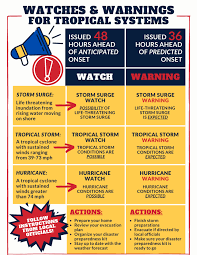
    1. Hurricane Watch
      • Hurricane conditions are possible within 48 hours
      • Residents should review emergency plans and supplies
    2. Hurricane Warning
      • Hurricane conditions are expected within 36 hours
      • Residents should take immediate action to protect life and property

    How Hurricanes Form

    Hurricanes develop under specific conditions:

    1. Warm Ocean Water
      • Typically above 80°F (27°C) to provide energy for storm growth
    2. Low Wind Shear
      • Allows the storm to organize without being torn apart
    3. Moist Atmosphere
      • High humidity supports the development of strong thunderstorms within the storm
    4. Pre-existing Disturbance
      • Tropical waves, low-pressure systems, or remnants of previous storms

    Regions Most Affected

    • Southeast U.S.: Florida, Georgia, South Carolina
    • Gulf Coast: Texas, Louisiana, Mississippi, Alabama
    • Mid-Atlantic: Virginia, North Carolina, Maryland
    • Hurricanes can also impact inland areas with heavy rainfall and tornadoes.

    Seasonal Patterns

    • Atlantic Hurricane Season: June 1 – November 30
    • Peak Activity: August through October
    • Hurricanes are more likely to strengthen during warm late-summer months.

    Impacts of Hurricanes

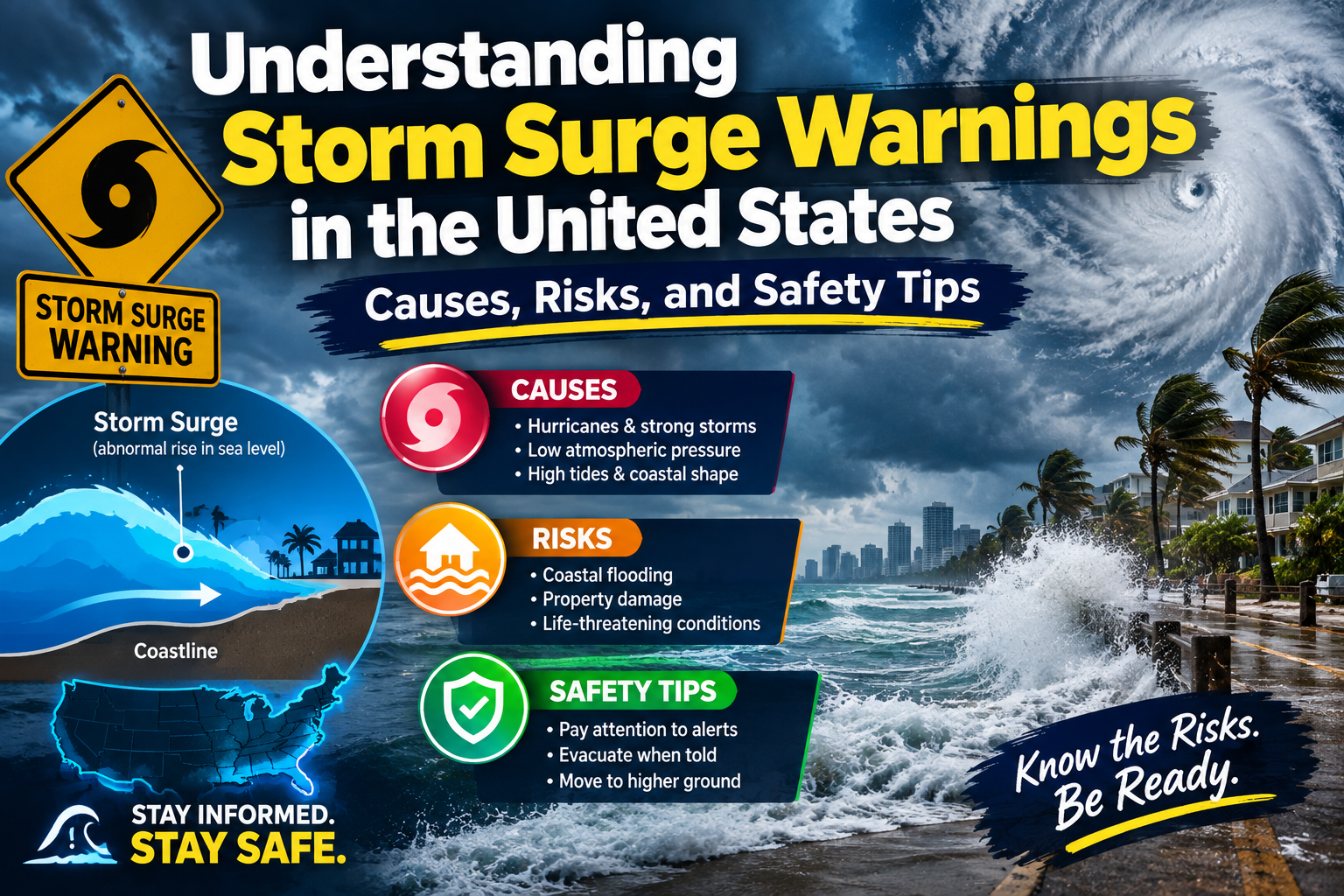
    1. Storm Surge
      • Coastal flooding from elevated sea levels
      • Can damage homes, roads, and infrastructure
    2. High Winds
      • Uproot trees, damage buildings, cause power outages
    3. Heavy Rain and Inland Flooding
      • Can extend hundreds of miles inland
      • Flash floods and river flooding are common
    4. Tornadoes
      • Often spawned in outer bands of hurricanes

    How to Prepare for Hurricanes

    1. Emergency Kit

    Include:

    • Food, water, and medications for 3+ days
    • Flashlights, batteries, and first aid supplies
    • Important documents in waterproof containers

    2. Home Preparation

    • Board up windows
    • Secure outdoor items
    • Elevate valuables and appliances in flood-prone areas

    3. Evacuation Plan

    • Know local evacuation routes
    • Keep vehicles fueled
    • Follow instructions from local authorities

    4. Stay Informed

    • Monitor NHC and NWS websites
    • Use NOAA Weather Radio and mobile alerts

    Travel Considerations

    • Avoid coastal areas during hurricane watches and warnings
    • Expect flight delays, road closures, and evacuation orders
    • Inland flooding can affect travel hundreds of miles from the coast

    Frequently Asked Questions

    • What is the difference between a hurricane watch and warning?
      • Watch = possible conditions within 48 hours; Warning = expected conditions within 36 hours
    • Can hurricanes affect inland areas?
      • Yes, heavy rainfall and tornadoes can reach far from the coast
    • How strong is a Category 5 hurricane?
      • Winds exceed 157 mph, causing extreme damage and life-threatening conditions
    • How long can a hurricane last?
      • Typically several days, from formation over the ocean to dissipation inland

    Final Thoughts

    Hurricane watch and warning systems provide critical lead time to protect life and property. Understanding the alerts, monitoring forecasts, and following safety measures—such as evacuation plans, emergency kits, and home preparations—are essential for navigating hurricane season safely.


  • Tropical Storm Alerts in the United States: Forecast, Risks, and Preparation”

    Tropical Storm Alerts in the United States: Forecast, Risks, and Preparation”

    Tropical storms are intense weather systems that can bring strong winds, heavy rainfall, storm surges, and flooding to coastal and inland areas. In the United States, tropical storms are most common along the Atlantic and Gulf coasts, but their impacts can extend far inland. Understanding tropical storm alerts is vital for safety and preparedness.

    This guide explains what tropical storm alerts mean, how these storms form, regions at risk, and steps to prepare.


    What Is a Tropical Storm?

    A tropical storm is a low-pressure system that forms over warm ocean waters and has sustained winds between 39–73 mph (63–118 km/h).

    • If winds exceed 74 mph, the storm becomes a hurricane.
    • Tropical storms can produce heavy rain, tornadoes, and flooding.
    • Even without hurricane strength, tropical storms can cause significant damage.

    Tropical Storm Alerts

    The National Hurricane Center (NHC) and National Weather Service (NWS) issue tropical storm alerts:

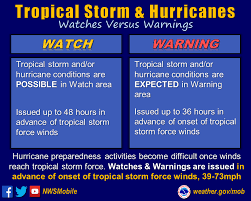
    1. Tropical Storm Watch
      • Tropical storm conditions are possible within 48 hours
      • Residents should monitor forecasts and prepare emergency supplies
    2. Tropical Storm Warning
      • Tropical storm conditions are expected within 36 hours
      • Take immediate precautions to protect life and property

    How Tropical Storms Form

    Tropical storms develop under these conditions:

    1. Warm Ocean Waters
      • Typically above 80°F (27°C)
      • Provides energy for storm formation
    2. Low Wind Shear
      • Vertical wind changes must be minimal to allow storm organization
    3. Moist Air in the Atmosphere
      • Supports heavy rainfall and storm cloud development
    4. Pre-existing Weather Disturbance
      • Often a tropical wave or low-pressure system over the ocean

    Regions Most Affected

    • Southeastern U.S.: Florida, Georgia, Alabama
    • Gulf Coast: Texas, Louisiana, Mississippi
    • Mid-Atlantic and Northeast: New Jersey, New York, Massachusetts (less frequent but possible)

    Storm surge and heavy rain can affect areas far from the coast.


    Seasonal Patterns

    • Atlantic Hurricane Season: June 1 – November 30
    • Peak Activity: August through October
    • Tropical storms often intensify into hurricanes during peak season

    Impacts of Tropical Storms

    1. Strong Winds
      • Can damage buildings, uproot trees, and cause power outages
    2. Heavy Rainfall and Flooding
      • Flash floods in urban areas
      • River and coastal flooding
    3. Storm Surge
      • Coastal areas can experience water levels rising several feet
      • Can inundate homes and infrastructure
    4. Tornadoes
      • Spawned by tropical storms, typically near the storm’s outer bands

    How to Prepare for Tropical Storms

    1. Emergency Kit

    Include:

    • Water and non-perishable food
    • Flashlights, batteries, and first aid supplies
    • Important documents in waterproof containers
    • Medications and supplies for pets

    2. Home Preparation

    • Secure outdoor furniture
    • Board up windows if necessary
    • Elevate appliances and valuables in flood-prone areas

    3. Evacuation Plan

    • Know local evacuation routes
    • Keep vehicles fueled
    • Follow local authorities’ instructions

    4. Monitor Alerts

    • NHC and NWS websites
    • Local news and weather apps
    • NOAA Weather Radio

    Travel Considerations

    • Avoid coastal areas during tropical storm watches and warnings
    • Expect flight delays or cancellations
    • Inland areas may experience flooding and road closures

    Frequently Asked Questions

    • What is the difference between a tropical storm and hurricane?
      • Tropical storm winds: 39–73 mph; Hurricane winds: 74 mph or higher
    • Can tropical storms reach inland areas?
      • Yes, heavy rainfall and strong winds can travel hundreds of miles from the coast
    • Are tornadoes common in tropical storms?
      • Yes, typically spawned in the outer bands of the storm
    • How much advance warning do I get?
      • Tropical storm watches are issued ~48 hours before expected conditions; warnings ~36 hours

    Final Thoughts

    Tropical storm alerts help residents and travelers prepare for dangerous weather conditions. Strong winds, flooding, storm surge, and tornadoes can all pose serious risks.

    By monitoring alerts, preparing emergency kits, securing property, and following evacuation instructions, you can reduce the dangers posed by tropical storms and protect life and property.

  • Heat Advisory Alerts in the United States: Causes, Risks, and Safety Measures”

    Heat Advisory Alerts in the United States: Causes, Risks, and Safety Measures”

    Extreme heat is a serious hazard across the United States, especially during summer months. High temperatures combined with humidity can cause heat exhaustion, heat stroke, and other health risks. Heat advisory alerts help residents and travelers prepare for dangerous conditions.

    This guide explains what a heat advisory is, why extreme heat occurs, regions most affected, and safety measures to stay protected.


    What Is a Heat Advisory?

    A heat advisory is issued by the National Weather Service (NWS) when:

    • The heat index is expected to reach dangerous levels
    • Prolonged exposure could cause heat-related illnesses
    • People are urged to take precautions to avoid heat stress

    A heat watch indicates conditions are favorable for dangerous heat, while a heat warning is more severe and signals imminent extreme heat.


    Understanding the Heat Index

    The heat index combines air temperature and relative humidity to indicate how hot it feels:

    • High humidity prevents sweat from evaporating efficiently
    • A heat index above 95°F (35°C) can be hazardous
    • Extreme cases can reach 110°F–120°F, particularly in southern states

    Causes of Extreme Heat

    1. High-Pressure Systems
      • Known as “heat domes”
      • Trap warm air over regions for days or weeks
    2. Urban Heat Island Effect
      • Cities with asphalt, concrete, and limited green space retain heat
      • Nighttime temperatures remain higher than surrounding areas
    3. Drought Conditions
      • Dry soil reduces cooling from evaporation
      • Contributes to hotter air temperatures
    4. Climate Change
      • Increasing frequency and intensity of heatwaves
      • Longer summer periods and higher average temperatures

    Regions Most Affected

    • Southern U.S.: Texas, Arizona, Louisiana, Florida
    • Midwestern U.S.: Illinois, Indiana, Ohio, Missouri
    • Northeastern U.S.: New York, New Jersey, Pennsylvania
    • Western U.S.: California, Nevada, Arizona

    Southern states often experience the highest heat index values due to humidity and high temperatures.


    Health Risks During Extreme Heat

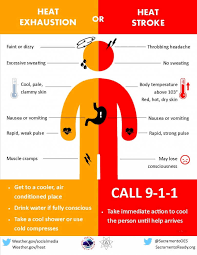
    1. Heat Exhaustion
      • Symptoms: Heavy sweating, weakness, dizziness, nausea, headache
    2. Heat Stroke
      • Symptoms: High body temperature (104°F+), confusion, loss of consciousness
      • Heat stroke is a medical emergency
    3. Dehydration
      • Insufficient fluid intake can worsen heat stress
    4. Aggravation of Pre-existing Conditions
      • Cardiovascular and respiratory issues can worsen during extreme heat

    How Heat Advisory Alerts Are Issued

    • Heat Watch: Conditions are favorable; remain alert
    • Heat Advisory: Dangerous heat conditions expected; take precautions
    • Excessive Heat Warning: Extremely high heat index; risk of life-threatening conditions

    Alerts are issued by the National Weather Service and communicated via:

    • Mobile notifications
    • Local TV and radio
    • NOAA Weather Radio

    Safety Tips During a Heat Advisory

    1. Stay Hydrated – Drink water regularly, avoid caffeine and alcohol
    2. Limit Outdoor Activity – Especially during peak hours (10 AM–5 PM)
    3. Use Air Conditioning – Spend time in cool indoor locations
    4. Wear Lightweight Clothing – Light-colored, loose-fitting fabrics
    5. Check on Vulnerable Individuals – Elderly, children, and pets are most at risk
    6. Avoid Heat Stress Outdoors – Take frequent breaks in the shade or indoors

    Travel Considerations

    • Summer travel in the southern U.S. requires caution
    • Carry water during road trips and outdoor activities
    • Monitor local heat advisories before planning outdoor events

    Frequently Asked Questions

    • What is the difference between a heat advisory and heat warning?
      • Advisory: Conditions are dangerous; Warning: Extreme heat posing serious health risks
    • Can heat affect indoor spaces?
      • Yes, poorly ventilated homes without AC can be hazardous
    • How long can heat advisories last?
      • Typically 1–3 days, but multi-day heatwaves are common
    • Are pets at risk?
      • Yes, dogs and cats are vulnerable; avoid leaving them in cars

    Final Thoughts

    Heat advisory alerts are essential for preventing heat-related illnesses and protecting lives during extreme summer temperatures. By staying informed, hydrating, limiting outdoor exposure, and monitoring vulnerable populations, residents can safely navigate dangerous heat conditions.


  • “Understanding Flood Warnings in the United States: Causes, Risks, and Safety Tips”

    “Understanding Flood Warnings in the United States: Causes, Risks, and Safety Tips”

    Flooding is one of the most common and dangerous natural disasters in the United States. Heavy rainfall, snowmelt, hurricanes, and tropical storms can all contribute to flash floods and river flooding. Understanding flood warnings is essential for residents, businesses, and travelers to stay safe and minimize property damage.

    This guide covers what flood warnings mean, causes of floods, typical impacts, and practical safety measures.


    What Is a Flood Warning?

    A flood warning is issued by the National Weather Service (NWS) when:

    • Flooding is imminent or already occurring
    • Rivers, streams, or urban areas are expected to overflow
    • Dangerous conditions threaten lives or property

    A flood watch, on the other hand, indicates conditions are favorable for flooding but not yet occurring.


    Types of Flooding

    1. Flash Floods

    • Occur rapidly due to heavy rain or dam failure
    • Can develop within minutes
    • Extremely dangerous in urban areas and low-lying roads

    2. River Floods

    • Result from prolonged rainfall or snowmelt
    • Affect communities along rivers and tributaries
    • Can last for days or weeks

    3. Coastal Flooding

    • Caused by storm surges from hurricanes or tropical storms
    • Impacts low-lying coastal regions

    4. Urban Flooding

    • Poor drainage systems cause streets to flood
    • Common after heavy summer thunderstorms

    Causes of Flooding in the United States

    1. Heavy Rainfall – Summer thunderstorms, tropical storms, and slow-moving weather systems
    2. Snowmelt – Rapid thawing in spring increases river levels
    3. Hurricanes and Tropical Storms – Produce storm surge and heavy inland rainfall
    4. Dam or Levee Failure – Structural failures can release massive water volumes
    5. Climate Change – Increasing rainfall intensity and rising sea levels contribute to flood risks

    Regions Most Affected

    • Midwest: River flooding along the Mississippi, Missouri, and Ohio Rivers
    • Southeast: Flash floods from tropical storms and hurricanes
    • Northeast: Heavy rainfall and snowmelt flooding
    • West Coast: Flooding from rain-on-snow events and levee breaches

    Impacts of Flooding

    • Property Damage: Homes, businesses, and vehicles
    • Transportation Disruption: Road closures and dangerous travel conditions
    • Health Risks: Contaminated water, injury, and drowning
    • Power Outages: Flooded substations and electrical equipment

    How to Prepare for Flood Warnings

    1. Stay Informed – Monitor NWS alerts, local news, and weather apps
    2. Have an Emergency Kit – Include food, water, medications, flashlight, and batteries
    3. Plan Evacuation Routes – Know safe routes to higher ground
    4. Protect Your Home – Elevate appliances, sandbag doors, and clear gutters
    5. Avoid Floodwaters – Never drive through standing water; “Turn Around, Don’t Drown”

    Frequently Asked Questions

    • What is the difference between a flood watch and warning?
      • Watch = conditions possible; Warning = flooding occurring or imminent
    • How quickly can flash floods occur?
      • Flash floods can happen in minutes during heavy rainfall
    • Which areas are at highest risk?
      • Low-lying urban areas, river floodplains, and coastal zones

    Final Thoughts

    Flood warnings are a critical tool to protect lives and property in the United States. By understanding the types of flooding, knowing your local risk, and following emergency instructions, residents can significantly reduce the dangers associated with floods.


    If you like, I can move on and write the 12th article: “Heat Advisory Alerts in the United States: Causes, Risks, and Safety Measures” next.

  • Severe Thunderstorm Warning in the United States: Forecast, Risks, and Safety

    Severe Thunderstorm Warning in the United States: Forecast, Risks, and Safety

    Severe thunderstorms are powerful weather events that can cause significant damage across the United States. These storms often bring heavy rain, strong winds, hail, lightning, and even tornadoes. Understanding severe thunderstorm warnings, how they are issued, and how to stay safe is essential for residents, travelers, and businesses.

    This comprehensive guide explains severe thunderstorm warnings, typical weather conditions, expected impacts, and safety measures.


    What Is a Severe Thunderstorm?

    A severe thunderstorm is defined by the National Weather Service (NWS) as a storm capable of producing at least one of the following:

    • Winds of 58 mph (93 km/h) or greater
    • Hail 1 inch in diameter or larger
    • Tornadoes (sometimes associated with severe storms)

    These storms can develop rapidly and affect localized areas with high intensity.


    What Is a Severe Thunderstorm Warning?

    A Severe Thunderstorm Warning is issued when:

    • A storm has been observed by radar or reported
    • The storm meets criteria for severe wind or hail
    • Local authorities advise residents to take immediate precautions

    Warnings are more urgent than watches. A watch indicates conditions are favorable for severe thunderstorms, whereas a warning means a storm is occurring or imminent.


    Causes of Severe Thunderstorms

    Severe thunderstorms occur when certain atmospheric conditions align:

    1. Warm, Moist Air at the Surface

    • Provides energy for storm development
    • Common in the Southeast, Midwest, and Gulf Coast

    2. Cold, Dry Air Aloft

    • Instability occurs when warm air rises into colder air above
    • Creates strong updrafts and turbulent storm conditions

    3. Wind Shear

    • Changes in wind speed or direction with height
    • Helps storms rotate, increasing the likelihood of hail and tornadoes

    4. Trigger Mechanisms

    • Fronts (cold, warm, or stationary)
    • Low-pressure systems
    • Terrain influences, such as mountains forcing air upward

    Common Hazards from Severe Thunderstorms

    1. Heavy Rain and Flash Flooding

    • Rapid rainfall can overwhelm drainage systems
    • Flooding poses a serious risk to vehicles and low-lying areas

    2. Strong Winds

    • Can exceed 70 mph in severe storms
    • Damage trees, power lines, and buildings
    • Can create dangerous debris

    3. Hail

    • Ice stones of 1 inch or larger can damage cars, roofs, and crops
    • Can also injure people caught outdoors

    4. Lightning

    • Thousands of lightning strikes occur during a single storm
    • Can start fires and cause injuries or fatalities

    5. Tornadoes

    • Severe thunderstorms can spawn tornadoes, especially supercells
    • Tornado risk increases in regions like Tornado Alley and the Southeast

    Regions Most Affected by Severe Thunderstorms

    • Midwest: Particularly during spring and summer, including states like Kansas, Oklahoma, and Missouri
    • Southeast: Florida, Georgia, Alabama, and Mississippi frequently experience storms
    • Great Plains: Nebraska, South Dakota, and Texas often see powerful supercell storms
    • Northeast: Less frequent, but heavy storms can occur, especially in summer

    Seasonal Patterns

    • Spring (March–May): High frequency in the Midwest and Southeast; supercells are common
    • Summer (June–August): Widespread severe storms, often accompanied by flooding and lightning
    • Fall (September–October): Tornadoes and hail possible in some areas
    • Winter (December–February): Rare, but severe storms can still occur in the southern states

    How Severe Thunderstorm Warnings Are Issued

    1. Radar Detection – Meteorologists detect strong winds, hail, and rotation
    2. Storm Spotters – Trained volunteers report conditions on the ground
    3. Warning Issuance – The National Weather Service sends alerts via TV, radio, and mobile devices
    4. Public Notification – Emergency alerts are sent through NOAA Weather Radio, cell phone notifications, and local news

    Safety Tips During Severe Thunderstorms

    1. Stay Indoors

    • Avoid windows and doors
    • Take shelter in a sturdy building

    2. Protect Against Lightning

    • Do not use wired electronics during storms
    • Avoid water and plumbing

    3. Prepare for Power Outages

    • Keep flashlights, batteries, and generators ready
    • Charge mobile devices in advance

    4. Avoid Flooded Areas

    • Do not drive through standing water
    • Be aware of flash flood warnings

    5. Follow Official Alerts

    • Stay updated via NWS, local news, and weather apps
    • Pay attention to evacuation orders if severe flooding occurs

    Frequently Asked Questions

    What is the difference between a severe thunderstorm watch and warning?

    • Watch: Conditions are favorable; remain alert
    • Warning: Storm is occurring or imminent; take immediate action

    How fast can a severe thunderstorm develop?

    Some storms can form in minutes, especially during warm, humid afternoons in summer.

    Can severe thunderstorms cause tornadoes?

    Yes. Supercell thunderstorms are capable of producing tornadoes.

    What should I do if I am outside during a severe storm?

    Seek shelter immediately. Avoid trees, open fields, and water.

    How can I get real-time alerts?

    Use the National Weather Service, NOAA Weather Radio, or trusted mobile weather apps.


    Final Thoughts

    Severe thunderstorms in the United States can produce heavy rain, high winds, hail, lightning, and tornadoes. Warnings are issued to help residents and travelers stay safe and minimize damage.

    Preparation is key: monitor forecasts, have emergency kits ready, stay indoors during storms, and follow official alerts. Awareness and caution can significantly reduce risks associated with severe thunderstorms.

  • What Causes Tornadoes in the Midwest? Understanding Tornado Formation, Risk, and Safety

    The Midwest of the United States, often referred to as Tornado Alley, is highly prone to tornadoes. These powerful rotating columns of air can cause widespread destruction, making it crucial for residents, travelers, and meteorologists to understand how tornadoes form, the conditions that lead to them, and how to stay safe.

    This comprehensive guide explains the causes of tornadoes in the Midwest, seasonal patterns, warning systems, and preventive measures.


    What Is a Tornado?

    A tornado is a rapidly rotating column of air extending from a thunderstorm to the ground. Characteristics include:

    • Rotational winds that can exceed 300 mph in extreme cases
    • Narrow path of destruction, typically hundreds of yards wide
    • High potential for property damage, injuries, and fatalities

    Tornadoes can occur with little warning, making understanding their formation essential for safety.


    Why the Midwest Experiences So Many Tornadoes

    Several factors make the Midwest particularly susceptible:

    1. Geography
    • Flat plains allow air masses to collide without obstruction.
    • States such as Oklahoma, Kansas, Nebraska, and parts of Texas see frequent tornado activity.
    1. Air Mass Collision

    Tornadoes form when different air masses meet:

    • Warm, moist air from the Gulf of Mexico
    • Cool, dry air from Canada or the Rockies
    • Hot, dry air from the Southwest

    This clash creates instability and powerful updrafts necessary for tornado formation.

    1. Spring and Early Summer Weather Patterns
    • Late spring to early summer is peak tornado season in the Midwest.
    • This is when temperature differences between air masses are greatest.
    • Jet streams at high altitudes create wind shear, which contributes to rotation.

    How Tornadoes Form

    The formation of tornadoes involves several meteorological factors:

    1. Thunderstorms

    • Tornadoes often form within supercell thunderstorms, which are severe storms with a rotating updraft called a mesocyclone.

    2. Wind Shear

    • Wind shear refers to changes in wind speed or direction with height.
    • Strong wind shear tilts the rotating air and can create the spinning motion necessary for tornadoes.

    3. Instability

    • Warm, moist air near the ground rises into cooler air above, creating instability.
    • This rising air can intensify rotation and lead to tornado formation.

    4. Convergence

    • When air flows from different directions meet (convergence zones), it can trigger thunderstorms capable of producing tornadoes.

    Tornado Intensity

    Tornadoes are rated using the Enhanced Fujita (EF) Scale, which estimates wind speed based on damage:

    EF RatingWind Speed (mph)Typical Damage
    EF065–85Minor damage, broken tree branches
    EF186–110Moderate damage, roof damage
    EF2111–135Considerable damage, mobile homes destroyed
    EF3136–165Severe damage, entire stories of houses destroyed
    EF4166–200Devastating damage, well-built homes leveled
    EF5>200Incredible damage, strong foundations destroyed

    Most Midwest tornadoes are EF0–EF2, but EF3–EF5 tornadoes can occur during intense storms.


    Seasonal Tornado Patterns in the Midwest

    • Spring (March–May): Peak season, most tornadoes occur due to high instability and wind shear.
    • Summer (June–July): Tornado frequency decreases slightly but storms can still produce strong tornadoes.
    • Fall (September–October): Secondary peak occurs, often weaker tornadoes than spring.
    • Winter (December–February): Rare, but cold front interactions can trigger occasional tornadoes.

    Tornado Warning Systems

    The United States has a sophisticated warning system:

    • Tornado Watch: Conditions are favorable for tornadoes; remain alert.
    • Tornado Warning: A tornado has been sighted or detected by radar; take immediate action.

    Residents should monitor NOAA Weather Radio, local TV, and mobile alerts during tornado season.


    Safety Measures During a Tornado

    1. Have a Safe Shelter
    • Basement or storm cellar is ideal
    • Interior room on the lowest floor with no windows if no basement is available
    1. Emergency Kit

    Include:

    • Water and non-perishable food
    • Flashlights and batteries
    • First aid supplies
    • Important documents in waterproof containers
    1. Stay Informed
    • Follow live updates from NWS and local authorities
    • Avoid relying solely on social media
    1. During a Tornado
    • Protect your head and neck
    • If outside, lie flat in a ditch away from vehicles and trees
    • Mobile homes are extremely unsafe; evacuate to a sturdier building if possible

    Frequently Asked Questions

    Why does the Midwest get more tornadoes than other regions?

    Flat terrain, collision of warm and cold air masses, and strong wind shear create ideal tornado conditions.

    What is the difference between a tornado watch and warning?

    A watch means conditions are favorable; a warning means a tornado is occurring or imminent.

    Can tornadoes occur at night?

    Yes, nighttime tornadoes are particularly dangerous because they are harder to see.

    How long does a tornado last?

    Most tornadoes last a few minutes, but some can persist for over an hour.

    Are tornadoes predictable?

    Meteorologists can predict conditions favorable for tornadoes but cannot precisely predict exact time and location.


    Final Thoughts

    Tornadoes in the Midwest are driven by the unique convergence of warm, moist Gulf air and cold, dry air from the north or west, combined with strong wind shear and atmospheric instability. Understanding the causes, seasonal patterns, and warning systems is essential for safety.

    Preparedness—through emergency plans, shelters, and timely alerts—can save lives and reduce property damage during tornado events. Residents of Tornado Alley should remain vigilant during spring and early summer, the peak tornado season.