Tropical storms are intense weather systems that can bring strong winds, heavy rainfall, storm surges, and flooding to coastal and inland areas. In the United States, tropical storms are most common along the Atlantic and Gulf coasts, but their impacts can extend far inland. Understanding tropical storm alerts is vital for safety and preparedness.
This guide explains what tropical storm alerts mean, how these storms form, regions at risk, and steps to prepare.
What Is a Tropical Storm?
A tropical storm is a low-pressure system that forms over warm ocean waters and has sustained winds between 39–73 mph (63–118 km/h).
- If winds exceed 74 mph, the storm becomes a hurricane.
- Tropical storms can produce heavy rain, tornadoes, and flooding.
- Even without hurricane strength, tropical storms can cause significant damage.
Tropical Storm Alerts
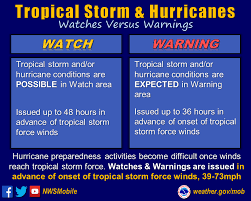
The National Hurricane Center (NHC) and National Weather Service (NWS) issue tropical storm alerts:
- Tropical Storm Watch
- Tropical storm conditions are possible within 48 hours
- Residents should monitor forecasts and prepare emergency supplies
- Tropical Storm Warning
- Tropical storm conditions are expected within 36 hours
- Take immediate precautions to protect life and property
How Tropical Storms Form
Tropical storms develop under these conditions:
- Warm Ocean Waters
- Typically above 80°F (27°C)
- Provides energy for storm formation
- Low Wind Shear
- Vertical wind changes must be minimal to allow storm organization
- Moist Air in the Atmosphere
- Supports heavy rainfall and storm cloud development
- Pre-existing Weather Disturbance
- Often a tropical wave or low-pressure system over the ocean
Regions Most Affected
- Southeastern U.S.: Florida, Georgia, Alabama
- Gulf Coast: Texas, Louisiana, Mississippi
- Mid-Atlantic and Northeast: New Jersey, New York, Massachusetts (less frequent but possible)
Storm surge and heavy rain can affect areas far from the coast.
Seasonal Patterns
- Atlantic Hurricane Season: June 1 – November 30
- Peak Activity: August through October
- Tropical storms often intensify into hurricanes during peak season
Impacts of Tropical Storms
- Strong Winds
- Can damage buildings, uproot trees, and cause power outages
- Heavy Rainfall and Flooding
- Flash floods in urban areas
- River and coastal flooding
- Storm Surge
- Coastal areas can experience water levels rising several feet
- Can inundate homes and infrastructure
- Tornadoes
- Spawned by tropical storms, typically near the storm’s outer bands
How to Prepare for Tropical Storms
1. Emergency Kit
Include:
- Water and non-perishable food
- Flashlights, batteries, and first aid supplies
- Important documents in waterproof containers
- Medications and supplies for pets
2. Home Preparation
- Secure outdoor furniture
- Board up windows if necessary
- Elevate appliances and valuables in flood-prone areas
3. Evacuation Plan
- Know local evacuation routes
- Keep vehicles fueled
- Follow local authorities’ instructions
4. Monitor Alerts
- NHC and NWS websites
- Local news and weather apps
- NOAA Weather Radio
Travel Considerations
- Avoid coastal areas during tropical storm watches and warnings
- Expect flight delays or cancellations
- Inland areas may experience flooding and road closures
Frequently Asked Questions
- What is the difference between a tropical storm and hurricane?
- Tropical storm winds: 39–73 mph; Hurricane winds: 74 mph or higher
- Can tropical storms reach inland areas?
- Yes, heavy rainfall and strong winds can travel hundreds of miles from the coast
- Are tornadoes common in tropical storms?
- Yes, typically spawned in the outer bands of the storm
- How much advance warning do I get?
- Tropical storm watches are issued ~48 hours before expected conditions; warnings ~36 hours
Final Thoughts
Tropical storm alerts help residents and travelers prepare for dangerous weather conditions. Strong winds, flooding, storm surge, and tornadoes can all pose serious risks.
By monitoring alerts, preparing emergency kits, securing property, and following evacuation instructions, you can reduce the dangers posed by tropical storms and protect life and property.