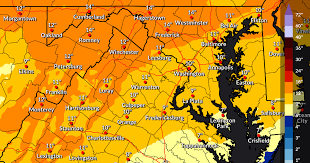
Winter storms are among the most significant weather events in the United States, impacting millions of residents every year. From heavy snowfall and freezing rain to ice accumulation and strong winds, these storms can disrupt transportation, cause power outages, and create hazardous conditions. Understanding winter storm warnings is crucial for safety, preparation, and planning.
This detailed guide explains what a winter storm warning is, typical weather patterns, expected impacts, and essential safety tips.
What Is a Winter Storm Warning?
A Winter Storm Warning is issued by the National Weather Service (NWS) when severe winter weather is imminent or occurring. This warning indicates that conditions are expected to pose significant threats to life and property, including:
- Heavy snowfall
- Ice accumulation
- Freezing rain
- Strong winds and blizzard conditions
Winter storm warnings are usually issued 12–36 hours before the event, giving residents time to prepare.
Types of Winter Storm Hazards
1. Snowfall
Heavy snow can reduce visibility, slow traffic, and cause road closures. Snow accumulation varies depending on location, with northern and midwestern states often receiving the highest amounts.
2. Freezing Rain
Freezing rain occurs when rain falls onto surfaces below 32°F, forming a layer of ice. This can:
- Make roads extremely slippery
- Cause tree limbs to break
- Lead to power outages
3. Sleet
Sleet is small ice pellets that bounce on contact and can accumulate on roads, making travel hazardous.
4. Blizzard Conditions
A blizzard is more severe than a standard snowstorm and is defined by:
- Sustained winds ≥35 mph
- Visibility <¼ mile
- Duration ≥3 hours
Blizzards are common in the Midwest and northern plains.
Regions Most Affected by Winter Storms
Winter storms can impact nearly every region, but certain areas are particularly vulnerable:
- Northeast: Heavy snow, nor’easters, ice storms
- Midwest: Snow, sleet, blizzards, ice accumulation
- Southeast: Occasional freezing rain and sleet
- Rocky Mountains: Heavy snow in mountainous terrain
- Northern Plains: Strong blizzards and extreme cold
Coastal storms, called nor’easters, can produce significant snowfall, coastal flooding, and strong winds along the Atlantic coast.
Seasonal Winter Storm Patterns
Early Winter (December)
- First major snowfalls in northern states
- Occasional ice storms in southern states
Mid-Winter (January – February)
- Peak winter storm activity in the Midwest and Northeast
- Arctic air masses cause extreme cold
Late Winter (March)
- Snowstorms still possible in northern regions
- Transition to spring can create mixed precipitation events
Impacts of Winter Storms
Winter storms can affect daily life in multiple ways:
- Transportation Disruption – Road closures, flight delays, and train service interruptions.
- Power Outages – Ice accumulation on power lines can knock out electricity for hours or days.
- Property Damage – Fallen trees, roof collapses under heavy snow, and flooding from melting snow.
- Health Risks – Hypothermia, frostbite, and accidents due to slippery conditions.
Winter Storm Warning vs. Winter Weather Advisory
- Winter Storm Warning: Dangerous winter weather is imminent or occurring; significant impacts expected.
- Winter Weather Advisory: Winter conditions are less severe, but may still cause inconvenience.
Warnings require immediate attention, while advisories are more precautionary.
How to Prepare for a Winter Storm
1. Monitor Weather Updates
- Follow the NWS, local news, and weather apps for alerts.
2. Prepare Your Home
- Stock up on food, water, and emergency supplies
- Insulate pipes to prevent freezing
- Keep flashlights, batteries, and heating options ready
3. Travel Safety
- Avoid unnecessary travel during warnings
- Keep a winter emergency kit in your vehicle (blankets, food, water, shovel)
- Drive cautiously on icy roads
4. Protect Pets and Vulnerable Individuals
- Keep pets indoors during extreme cold
- Check on elderly neighbors or anyone at risk
Frequently Asked Questions
What snowfall triggers a winter storm warning?
It varies by region, but typically 6+ inches of snow in 12 hours, or 8+ inches in 24 hours. Ice accumulation or blizzard conditions can also trigger warnings.
Are winter storm warnings issued nationwide?
Yes, the NWS issues warnings for all states that may be affected by severe winter weather.
How long does a winter storm last?
Winter storms can last from several hours to multiple days, depending on size and speed.
Can winter storms cause tornadoes?
Rarely, but winter storms can create severe weather on their southern edges, especially in the Southeast.
How can I get real-time updates?
Follow the NWS website, local TV stations, or mobile weather alerts.
Final Thoughts
Winter storm warnings are critical for safety during the harsh winter months. Heavy snow, ice, freezing rain, and blizzard conditions can create dangerous situations if unprepared.
Residents and travelers should monitor forecasts closely, avoid travel when possible, and ensure their homes and vehicles are ready for extreme cold. With proper preparation and awareness, the risks posed by winter storms in the United States can be minimized.