Texas is no stranger to extreme heat. During peak summer months, large parts of the state experience prolonged periods of high temperatures that trigger official heatwave alerts. From Dallas and Houston to Austin and San Antonio, record-breaking heat has become a growing concern for residents, businesses, and public health officials.
This detailed guide explains what a Texas heatwave alert means, why extreme temperatures occur, how long they typically last, and how to stay safe during dangerous heat conditions.
What Is a Heatwave?
A heatwave is a prolonged period of excessively hot weather, often combined with high humidity. In Texas, a heatwave is typically declared when:
- Temperatures remain significantly above average for several consecutive days
- Heat index values exceed safe thresholds
- Overnight temperatures remain unusually high
The heat index measures how hot it feels when humidity is combined with air temperature. In many Texas cities, the heat index can exceed 105°F or even 110°F during severe heat events.
Why Texas Experiences Extreme Heat
Several factors contribute to intense heat in Texas:
1. Geographic Location
Texas is located in the southern United States, where strong summer sun and high solar radiation naturally increase temperatures.
2. High-Pressure Systems
Persistent high-pressure systems, often called “heat domes,” trap hot air over the region. These systems prevent cloud formation and rainfall, allowing temperatures to climb for days or weeks.
3. Dry Soil Conditions
Drought conditions can intensify heatwaves. When soil moisture is low, more solar energy goes into heating the air rather than evaporating water, increasing surface temperatures.
4. Urban Heat Island Effect
Large cities like Houston and Dallas experience higher temperatures due to concrete, asphalt, and limited green space. Urban areas can remain significantly warmer at night compared to rural regions.
Record-Breaking Temperatures in Texas
Texas has recorded some of the highest temperatures in U.S. history. During extreme heat events:
- Daytime highs often exceed 100°F
- Some areas reach 105°F to 110°F
- Overnight temperatures may stay above 80°F
When nights remain hot, the body has less opportunity to cool down, increasing the risk of heat-related illnesses.
Extended heatwaves can break long-standing temperature records, especially during July and August.
Cities Most Affected by Heatwaves
While heat impacts the entire state, some cities frequently experience extreme conditions:
- Dallas–Fort Worth: Often sees triple-digit temperatures during summer.
- Houston: High humidity increases heat index values.
- Austin: Regularly experiences prolonged dry heat.
- San Antonio: Extended periods of high temperatures are common.
- West Texas (El Paso, Midland): Very hot and dry desert conditions.
Coastal areas may experience slightly lower air temperatures but higher humidity.
Dangers of Extreme Heat
Heatwaves pose serious health risks, including:
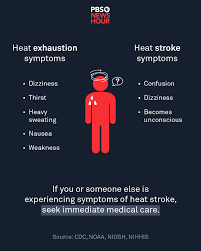
Heat Exhaustion
Symptoms include:
- Heavy sweating
- Weakness
- Dizziness
- Nausea
- Headache
Heat Stroke
Heat stroke is a medical emergency and may cause:
- Body temperature above 103°F
- Confusion or unconsciousness
- Rapid pulse
- Hot, dry skin
Immediate medical attention is required for heat stroke.
Impact of Heatwaves on Infrastructure
Extreme heat affects more than just personal comfort. It also impacts:
- Power grids due to increased air conditioning demand
- Road surfaces, which may buckle under high temperatures
- Water supply systems during drought conditions
- Agriculture and livestock
Power outages during heatwaves can create dangerous situations, especially for vulnerable populations.
Climate Change and Rising Temperatures
Research indicates that climate change is contributing to:
- More frequent heatwaves
- Longer-lasting extreme heat events
- Higher average summer temperatures
- Increased nighttime temperatures
Texas has experienced several consecutive years of above-average summer heat, raising concerns about long-term trends.
How Long Do Texas Heatwaves Last?
Heatwaves in Texas can last:
- Several days
- One to two weeks
- Occasionally longer during persistent high-pressure systems
The most intense heat usually occurs between late June and early September.
Heatwave Safety Tips
Staying safe during a Texas heatwave requires proactive measures.
1. Stay Hydrated
Drink plenty of water, even if you do not feel thirsty. Avoid excessive caffeine and alcohol.
2. Limit Outdoor Activity
Avoid strenuous activity during peak afternoon hours (usually 12 PM to 5 PM).
3. Use Air Conditioning
Stay in air-conditioned spaces whenever possible. Public cooling centers may be available during extreme heat alerts.
4. Wear Lightweight Clothing
Choose light-colored, loose-fitting clothing to allow proper airflow.
5. Check on Vulnerable Individuals
Elderly individuals, young children, and those with medical conditions are at higher risk.
6. Never Leave Children or Pets in Vehicles
Car interiors can reach life-threatening temperatures within minutes.
Heat Alerts and Warnings
The National Weather Service may issue:
- Heat Advisories
- Excessive Heat Warnings
- Excessive Heat Watches
These alerts indicate dangerous heat conditions and should not be ignored.
Residents are encouraged to monitor local weather updates and emergency notifications.
Preparing Your Home for Extreme Heat
To reduce heat-related risks:
- Install energy-efficient insulation
- Use blackout curtains to block sunlight
- Service air conditioning systems before summer
- Install ceiling fans to improve air circulation
Energy conservation measures may also help prevent strain on the power grid.
Frequently Asked Questions
What temperature qualifies as a heatwave in Texas?
There is no fixed number, but prolonged temperatures significantly above average—often above 100°F—typically trigger heat alerts.
Why does Texas feel hotter than the actual temperature?
High humidity increases the heat index, making it feel hotter than the measured air temperature.
When is the hottest month in Texas?
July and August are typically the hottest months.
Are Texas heatwaves becoming more common?
Recent data suggests that heatwaves are increasing in frequency and duration.
How can I stay updated during a heatwave?
Monitor updates from the National Weather Service and local authorities.
Final Thoughts
Texas heatwave alerts signal potentially dangerous weather conditions that require serious attention. Record-breaking temperatures, high humidity, and prolonged dry periods can pose health risks and strain infrastructure.
Understanding the causes of extreme heat, recognizing warning signs of heat-related illness, and taking preventive measures can significantly reduce risks. As Texas continues to face intense summer conditions, preparation and awareness remain essential for staying safe during record-breaking heat events.