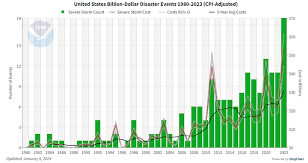
Severe thunderstorms are powerful weather events that can cause significant damage across the United States. These storms often bring heavy rain, strong winds, hail, lightning, and even tornadoes. Understanding severe thunderstorm warnings, how they are issued, and how to stay safe is essential for residents, travelers, and businesses.
This comprehensive guide explains severe thunderstorm warnings, typical weather conditions, expected impacts, and safety measures.
What Is a Severe Thunderstorm?
A severe thunderstorm is defined by the National Weather Service (NWS) as a storm capable of producing at least one of the following:
- Winds of 58 mph (93 km/h) or greater
- Hail 1 inch in diameter or larger
- Tornadoes (sometimes associated with severe storms)
These storms can develop rapidly and affect localized areas with high intensity.
What Is a Severe Thunderstorm Warning?
A Severe Thunderstorm Warning is issued when:
- A storm has been observed by radar or reported
- The storm meets criteria for severe wind or hail
- Local authorities advise residents to take immediate precautions
Warnings are more urgent than watches. A watch indicates conditions are favorable for severe thunderstorms, whereas a warning means a storm is occurring or imminent.
Causes of Severe Thunderstorms
Severe thunderstorms occur when certain atmospheric conditions align:
1. Warm, Moist Air at the Surface
- Provides energy for storm development
- Common in the Southeast, Midwest, and Gulf Coast
2. Cold, Dry Air Aloft
- Instability occurs when warm air rises into colder air above
- Creates strong updrafts and turbulent storm conditions
3. Wind Shear
- Changes in wind speed or direction with height
- Helps storms rotate, increasing the likelihood of hail and tornadoes
4. Trigger Mechanisms
- Fronts (cold, warm, or stationary)
- Low-pressure systems
- Terrain influences, such as mountains forcing air upward
Common Hazards from Severe Thunderstorms
1. Heavy Rain and Flash Flooding
- Rapid rainfall can overwhelm drainage systems
- Flooding poses a serious risk to vehicles and low-lying areas
2. Strong Winds
- Can exceed 70 mph in severe storms
- Damage trees, power lines, and buildings
- Can create dangerous debris
3. Hail
- Ice stones of 1 inch or larger can damage cars, roofs, and crops
- Can also injure people caught outdoors
4. Lightning
- Thousands of lightning strikes occur during a single storm
- Can start fires and cause injuries or fatalities
5. Tornadoes
- Severe thunderstorms can spawn tornadoes, especially supercells
- Tornado risk increases in regions like Tornado Alley and the Southeast
Regions Most Affected by Severe Thunderstorms
- Midwest: Particularly during spring and summer, including states like Kansas, Oklahoma, and Missouri
- Southeast: Florida, Georgia, Alabama, and Mississippi frequently experience storms
- Great Plains: Nebraska, South Dakota, and Texas often see powerful supercell storms
- Northeast: Less frequent, but heavy storms can occur, especially in summer
Seasonal Patterns
- Spring (March–May): High frequency in the Midwest and Southeast; supercells are common
- Summer (June–August): Widespread severe storms, often accompanied by flooding and lightning
- Fall (September–October): Tornadoes and hail possible in some areas
- Winter (December–February): Rare, but severe storms can still occur in the southern states
How Severe Thunderstorm Warnings Are Issued
- Radar Detection – Meteorologists detect strong winds, hail, and rotation
- Storm Spotters – Trained volunteers report conditions on the ground
- Warning Issuance – The National Weather Service sends alerts via TV, radio, and mobile devices
- Public Notification – Emergency alerts are sent through NOAA Weather Radio, cell phone notifications, and local news
Safety Tips During Severe Thunderstorms
1. Stay Indoors
- Avoid windows and doors
- Take shelter in a sturdy building
2. Protect Against Lightning
- Do not use wired electronics during storms
- Avoid water and plumbing
3. Prepare for Power Outages
- Keep flashlights, batteries, and generators ready
- Charge mobile devices in advance
4. Avoid Flooded Areas
- Do not drive through standing water
- Be aware of flash flood warnings
5. Follow Official Alerts
- Stay updated via NWS, local news, and weather apps
- Pay attention to evacuation orders if severe flooding occurs
Frequently Asked Questions
What is the difference between a severe thunderstorm watch and warning?
- Watch: Conditions are favorable; remain alert
- Warning: Storm is occurring or imminent; take immediate action
How fast can a severe thunderstorm develop?
Some storms can form in minutes, especially during warm, humid afternoons in summer.
Can severe thunderstorms cause tornadoes?
Yes. Supercell thunderstorms are capable of producing tornadoes.
What should I do if I am outside during a severe storm?
Seek shelter immediately. Avoid trees, open fields, and water.
How can I get real-time alerts?
Use the National Weather Service, NOAA Weather Radio, or trusted mobile weather apps.
Final Thoughts
Severe thunderstorms in the United States can produce heavy rain, high winds, hail, lightning, and tornadoes. Warnings are issued to help residents and travelers stay safe and minimize damage.
Preparation is key: monitor forecasts, have emergency kits ready, stay indoors during storms, and follow official alerts. Awareness and caution can significantly reduce risks associated with severe thunderstorms.