Extreme heat is a serious hazard across the United States, especially during summer months. High temperatures combined with humidity can cause heat exhaustion, heat stroke, and other health risks. Heat advisory alerts help residents and travelers prepare for dangerous conditions.
This guide explains what a heat advisory is, why extreme heat occurs, regions most affected, and safety measures to stay protected.
What Is a Heat Advisory?
A heat advisory is issued by the National Weather Service (NWS) when:
- The heat index is expected to reach dangerous levels
- Prolonged exposure could cause heat-related illnesses
- People are urged to take precautions to avoid heat stress
A heat watch indicates conditions are favorable for dangerous heat, while a heat warning is more severe and signals imminent extreme heat.
Understanding the Heat Index
The heat index combines air temperature and relative humidity to indicate how hot it feels:
- High humidity prevents sweat from evaporating efficiently
- A heat index above 95°F (35°C) can be hazardous
- Extreme cases can reach 110°F–120°F, particularly in southern states
Causes of Extreme Heat
- High-Pressure Systems
- Known as “heat domes”
- Trap warm air over regions for days or weeks
- Urban Heat Island Effect
- Cities with asphalt, concrete, and limited green space retain heat
- Nighttime temperatures remain higher than surrounding areas
- Drought Conditions
- Dry soil reduces cooling from evaporation
- Contributes to hotter air temperatures
- Climate Change
- Increasing frequency and intensity of heatwaves
- Longer summer periods and higher average temperatures
Regions Most Affected
- Southern U.S.: Texas, Arizona, Louisiana, Florida
- Midwestern U.S.: Illinois, Indiana, Ohio, Missouri
- Northeastern U.S.: New York, New Jersey, Pennsylvania
- Western U.S.: California, Nevada, Arizona
Southern states often experience the highest heat index values due to humidity and high temperatures.
Health Risks During Extreme Heat
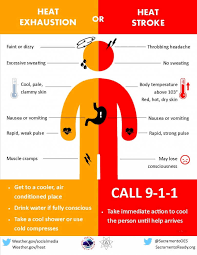
- Heat Exhaustion
- Symptoms: Heavy sweating, weakness, dizziness, nausea, headache
- Heat Stroke
- Symptoms: High body temperature (104°F+), confusion, loss of consciousness
- Heat stroke is a medical emergency
- Dehydration
- Insufficient fluid intake can worsen heat stress
- Aggravation of Pre-existing Conditions
- Cardiovascular and respiratory issues can worsen during extreme heat
How Heat Advisory Alerts Are Issued
- Heat Watch: Conditions are favorable; remain alert
- Heat Advisory: Dangerous heat conditions expected; take precautions
- Excessive Heat Warning: Extremely high heat index; risk of life-threatening conditions
Alerts are issued by the National Weather Service and communicated via:
- Mobile notifications
- Local TV and radio
- NOAA Weather Radio
Safety Tips During a Heat Advisory
- Stay Hydrated – Drink water regularly, avoid caffeine and alcohol
- Limit Outdoor Activity – Especially during peak hours (10 AM–5 PM)
- Use Air Conditioning – Spend time in cool indoor locations
- Wear Lightweight Clothing – Light-colored, loose-fitting fabrics
- Check on Vulnerable Individuals – Elderly, children, and pets are most at risk
- Avoid Heat Stress Outdoors – Take frequent breaks in the shade or indoors
Travel Considerations
- Summer travel in the southern U.S. requires caution
- Carry water during road trips and outdoor activities
- Monitor local heat advisories before planning outdoor events
Frequently Asked Questions
- What is the difference between a heat advisory and heat warning?
- Advisory: Conditions are dangerous; Warning: Extreme heat posing serious health risks
- Can heat affect indoor spaces?
- Yes, poorly ventilated homes without AC can be hazardous
- How long can heat advisories last?
- Typically 1–3 days, but multi-day heatwaves are common
- Are pets at risk?
- Yes, dogs and cats are vulnerable; avoid leaving them in cars
Final Thoughts
Heat advisory alerts are essential for preventing heat-related illnesses and protecting lives during extreme summer temperatures. By staying informed, hydrating, limiting outdoor exposure, and monitoring vulnerable populations, residents can safely navigate dangerous heat conditions.