Florida is one of the most hurricane-prone states in the United States. Due to its geographic location between the Atlantic Ocean and the Gulf of Mexico, the state faces a significant risk of tropical storms and hurricanes every year. As the 2026 hurricane season approaches, residents, businesses, and travelers are closely monitoring forecasts and long-range predictions.
This comprehensive guide covers the Florida Hurricane Season 2026 outlook, how hurricane predictions are made, expected activity patterns, historical trends, and essential preparedness strategies.
When Is Hurricane Season in Florida?
The official Atlantic hurricane season runs from June 1 through November 30, with peak activity typically occurring between August and October.
Florida’s long coastline makes it vulnerable to storms developing in:
- The Atlantic Ocean
- The Caribbean Sea
- The Gulf of Mexico
Because warm ocean waters fuel hurricanes, late summer and early fall are usually the most active months.
How Hurricane Predictions Are Made
Hurricane season predictions are based on multiple climate indicators and atmospheric conditions. Meteorologists and research institutions analyze:
- Sea surface temperatures in the Atlantic
- El Niño and La Niña patterns
- Wind shear levels
- Historical storm cycles
- Atmospheric pressure systems
El Niño vs. La Niña Impact
- El Niño years often reduce Atlantic hurricane activity due to stronger wind shear that disrupts storm formation.
- La Niña years typically increase hurricane activity because wind shear is weaker, allowing storms to strengthen.
Long-range seasonal forecasts estimate the number of named storms, hurricanes, and major hurricanes expected during the season. However, they cannot predict exactly where storms will make landfall.
Florida Hurricane Season 2026: Expected Activity Patterns
While exact storm numbers vary from year to year, Florida generally prepares for:
- Multiple named tropical storms
- Several hurricanes
- At least one major hurricane risk
A “major hurricane” is classified as Category 3 or higher on the Saffir-Simpson Hurricane Wind Scale, with sustained winds of 111 mph or greater.
Even in average seasons, Florida can experience significant impacts from a single storm.
Why Florida Is Highly Vulnerable
Florida’s vulnerability is due to:
- Over 1,300 miles of coastline
- Low elevation in many coastal areas
- Warm surrounding waters
- High population density
Major cities such as Miami, Tampa, Orlando, and Jacksonville face different levels of risk depending on storm tracks.
Storm surge is often the most dangerous threat, especially in coastal communities.
Types of Storms That Affect Florida
Tropical Depression
The earliest stage of storm development, with winds below 39 mph.
Tropical Storm
Winds between 39 and 73 mph. These storms are given official names.
Hurricane
Winds of 74 mph or higher. Hurricanes are divided into five categories:
- Category 1: 74–95 mph
- Category 2: 96–110 mph
- Category 3: 111–129 mph
- Category 4: 130–156 mph
- Category 5: 157+ mph
Even Category 1 storms can cause significant flooding and wind damage.
Historical Hurricane Trends in Florida
Historically, Florida has experienced some of the most destructive hurricanes in U.S. history. Over the decades, trends have shown:
- Increasing coastal development
- Rising sea levels
- Higher rainfall rates during storms
While the total number of storms may vary, the intensity of hurricanes has become a growing concern.
Some regions, particularly South Florida and the Gulf Coast, face higher landfall frequency.
Major Threats During Hurricane Season
Storm Surge
Storm surge is the abnormal rise of seawater caused by hurricane winds pushing water toward shore. It can:
- Flood coastal neighborhoods
- Damage infrastructure
- Cause life-threatening conditions
Storm surge is often more dangerous than wind damage.
Heavy Rainfall and Flooding
Hurricanes can produce several inches of rain within hours, leading to:
- Flash floods
- River overflow
- Urban flooding
Even inland cities like Orlando can experience significant flooding.
High Winds
Strong winds can:
- Damage roofs
- Knock down trees
- Cause widespread power outages
Wind damage often extends far from the storm’s center.
Tornadoes
Hurricanes can spawn tornadoes, especially as they make landfall.
Climate Change and Hurricane Intensity
Scientists continue to study how climate change influences hurricane patterns. Research suggests:
- Warmer ocean temperatures may fuel stronger storms
- Rainfall rates are increasing in some hurricanes
- Rapid intensification events are becoming more common
Rapid intensification occurs when a storm strengthens dramatically within a short period, reducing preparation time.
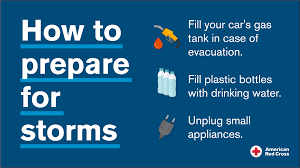
How to Prepare for Florida Hurricane Season 2026
Preparation is essential before the season begins.
1. Create an Emergency Plan
Families should:
- Identify evacuation routes
- Designate a safe meeting location
- Keep emergency contacts updated
2. Build a Hurricane Supply Kit
A basic emergency kit should include:
- Non-perishable food for at least 3 days
- Bottled water
- Flashlights and batteries
- First aid supplies
- Portable phone chargers
- Important documents in waterproof containers
3. Review Insurance Coverage
Homeowners should verify:
- Flood insurance coverage
- Windstorm insurance details
- Deductibles and claim procedures
Flood damage is not typically covered under standard homeowner policies.
4. Protect Your Property
Before a storm approaches:
- Install hurricane shutters
- Secure outdoor furniture
- Trim trees and branches
- Clear gutters and drains
5. Monitor Official Updates
Residents should rely on:
- National Hurricane Center (NHC)
- National Weather Service (NWS)
- Local emergency management offices
Avoid relying solely on social media for storm updates.
Evacuation Considerations
Evacuations may be ordered in high-risk areas. If officials issue an evacuation order:
- Leave immediately
- Follow designated routes
- Avoid flooded roads
- Bring essential supplies
Delaying evacuation can lead to dangerous traffic congestion and limited shelter availability.
Travel During Hurricane Season
Tourists visiting Florida during hurricane season should:
- Purchase travel insurance
- Monitor forecasts daily
- Understand hotel cancellation policies
- Have backup travel plans
While most days during hurricane season are calm, storms can disrupt travel quickly.
Frequently Asked Questions
Is Florida guaranteed to be hit by a hurricane every year?
No. While Florida frequently faces hurricane threats, not every year results in a direct landfall.
What is the peak month for hurricanes in Florida?
September is typically the most active month.
How early should I prepare?
Preparation should begin before June 1, the official start of the season.
Can hurricanes affect inland Florida cities?
Yes. Inland areas can experience heavy rain, flooding, and strong winds.
Are hurricane predictions always accurate?
Seasonal forecasts estimate activity levels but cannot predict exact storm paths months in advance.
Final Thoughts
Florida Hurricane Season 2026 will require careful monitoring, preparation, and awareness. While meteorologists can estimate overall storm activity, the exact timing and location of storms remain unpredictable until systems develop.
Because Florida’s geography makes it highly vulnerable, residents and visitors should prioritize early preparation. Understanding storm categories, monitoring official alerts, and maintaining emergency supplies are essential steps for staying safe.
Hurricanes are a natural part of Florida’s climate, but proactive planning and reliable information can significantly reduce risk and damage.