
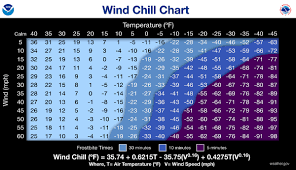
Winter weather in the United States can be dangerous not only because of snow and ice but also due to extreme cold and wind chill. Wind chill measures how cold it feels when air temperature combines with wind speed, which can increase the risk of frostbite and hypothermia. Understanding wind chill warnings is essential for safety during harsh winter conditions.
This guide explains what wind chill warnings are, how wind chill works, regions affected, and protective measures.
What Is a Wind Chill Warning?
A Wind Chill Warning is issued by the National Weather Service (NWS) when:
- Wind combined with cold temperatures creates life-threatening conditions
- Frostbite or hypothermia is likely if exposed for extended periods
- Residents should limit outdoor activities and take precautions
A wind chill advisory is less severe and indicates that cold and wind may cause discomfort or mild risk, but not immediate danger.
How Wind Chill Is Calculated
Wind chill is the perceived temperature felt on exposed skin, taking into account:
- Air Temperature – Colder air increases risk
- Wind Speed – Faster winds remove heat from the body more quickly
For example:
- Temperature: 10°F
- Wind Speed: 20 mph
- Wind Chill: Feels like -10°F
This makes exposed skin lose heat faster, increasing frostbite risk.
Regions Most Affected
Wind chill warnings are common in:
- Northern Plains: North Dakota, South Dakota, Minnesota
- Upper Midwest: Wisconsin, Michigan, Minnesota
- Northeast: New York, New England states
- Mountain West: Montana, Wyoming, Colorado
Southern states occasionally experience wind chill warnings during cold snaps, though less frequent.
Seasonal Patterns
- December – February: Peak period for wind chill warnings in northern states
- Late Fall and Early Spring: Cold fronts can bring short-duration wind chill warnings
- Highest risk occurs during arctic outbreaks when temperatures drop below 0°F
Impacts of Extreme Wind Chill
- Frostbite
- Skin freezes within minutes in extreme conditions
- Fingers, toes, nose, and ears are most vulnerable
- Hypothermia
- Body temperature drops dangerously low
- Symptoms: Shivering, confusion, slurred speech, exhaustion
- Health Complications
- Aggravates heart and respiratory conditions
- Increases risk of accidents due to icy conditions
How Wind Chill Warnings Are Issued
- NWS monitors temperature, wind speed, and forecasted conditions
- Thresholds vary by region; extreme cold in northern states triggers warnings more frequently
- Warnings are communicated via:
- TV and radio alerts
- Mobile weather apps
- NOAA Weather Radio
Safety Tips During Wind Chill Warnings
- Limit Outdoor Exposure – Stay indoors as much as possible
- Dress in Layers – Include thermal underlayers, windproof jackets, hats, gloves, and scarves
- Protect Extremities – Use insulated gloves and boots; cover face with scarf or mask
- Monitor Vulnerable Individuals – Children, elderly, and those with medical conditions
- Stay Dry – Wet clothing increases heat loss dramatically
- Prepare Your Home – Keep heating systems operational and have emergency supplies
Frequently Asked Questions
- What is the difference between wind chill warning and advisory?
- Warning: Life-threatening conditions expected; Advisory: Potentially hazardous conditions
- How fast can frostbite occur?
- In extreme wind chill (-20°F or lower), frostbite can occur in 5–10 minutes
- Does wind chill affect vehicles?
- No, wind chill only affects living tissue; vehicles are not affected directly
- Are pets at risk?
- Yes, pets should be kept indoors or protected from extreme wind chill
Final Thoughts
Wind chill warnings are critical for protecting life during harsh winter conditions. Extreme cold combined with strong winds can rapidly lead to frostbite or hypothermia.
By monitoring forecasts, dressing properly, limiting outdoor exposure, and protecting vulnerable individuals, residents can safely navigate extreme wind chill conditions in the United States.