
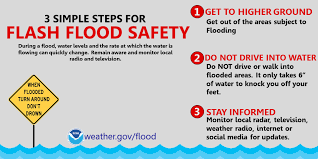
Flooding is one of the most common and dangerous natural disasters in the United States. Heavy rainfall, snowmelt, hurricanes, and tropical storms can all contribute to flash floods and river flooding. Understanding flood warnings is essential for residents, businesses, and travelers to stay safe and minimize property damage.
This guide covers what flood warnings mean, causes of floods, typical impacts, and practical safety measures.
What Is a Flood Warning?
A flood warning is issued by the National Weather Service (NWS) when:
- Flooding is imminent or already occurring
- Rivers, streams, or urban areas are expected to overflow
- Dangerous conditions threaten lives or property
A flood watch, on the other hand, indicates conditions are favorable for flooding but not yet occurring.
Types of Flooding
1. Flash Floods
- Occur rapidly due to heavy rain or dam failure
- Can develop within minutes
- Extremely dangerous in urban areas and low-lying roads
2. River Floods
- Result from prolonged rainfall or snowmelt
- Affect communities along rivers and tributaries
- Can last for days or weeks
3. Coastal Flooding
- Caused by storm surges from hurricanes or tropical storms
- Impacts low-lying coastal regions
4. Urban Flooding
- Poor drainage systems cause streets to flood
- Common after heavy summer thunderstorms
Causes of Flooding in the United States
- Heavy Rainfall – Summer thunderstorms, tropical storms, and slow-moving weather systems
- Snowmelt – Rapid thawing in spring increases river levels
- Hurricanes and Tropical Storms – Produce storm surge and heavy inland rainfall
- Dam or Levee Failure – Structural failures can release massive water volumes
- Climate Change – Increasing rainfall intensity and rising sea levels contribute to flood risks
Regions Most Affected
- Midwest: River flooding along the Mississippi, Missouri, and Ohio Rivers
- Southeast: Flash floods from tropical storms and hurricanes
- Northeast: Heavy rainfall and snowmelt flooding
- West Coast: Flooding from rain-on-snow events and levee breaches
Impacts of Flooding
- Property Damage: Homes, businesses, and vehicles
- Transportation Disruption: Road closures and dangerous travel conditions
- Health Risks: Contaminated water, injury, and drowning
- Power Outages: Flooded substations and electrical equipment
How to Prepare for Flood Warnings
- Stay Informed – Monitor NWS alerts, local news, and weather apps
- Have an Emergency Kit – Include food, water, medications, flashlight, and batteries
- Plan Evacuation Routes – Know safe routes to higher ground
- Protect Your Home – Elevate appliances, sandbag doors, and clear gutters
- Avoid Floodwaters – Never drive through standing water; “Turn Around, Don’t Drown”
Frequently Asked Questions
- What is the difference between a flood watch and warning?
- Watch = conditions possible; Warning = flooding occurring or imminent
- How quickly can flash floods occur?
- Flash floods can happen in minutes during heavy rainfall
- Which areas are at highest risk?
- Low-lying urban areas, river floodplains, and coastal zones
Final Thoughts
Flood warnings are a critical tool to protect lives and property in the United States. By understanding the types of flooding, knowing your local risk, and following emergency instructions, residents can significantly reduce the dangers associated with floods.
If you like, I can move on and write the 12th article: “Heat Advisory Alerts in the United States: Causes, Risks, and Safety Measures” next.